Pairing wine with food has a reputation for being intimidating, but it doesn't need to be. A handful of simple rules cover most situations - no sommelier training required.
The Two Rules That Cover Almost Everything
First, match the weight of the wine to the weight of the dish - a light, delicate wine gets overwhelmed by a heavy, rich meal, and a bold wine can flatten something light and delicate. Second, use acidity and sweetness to your advantage - a wine with good acidity cuts through rich or fatty food, and a touch of sweetness tames spicy dishes better than most people expect.
A Simple Cheat Sheet for Reds
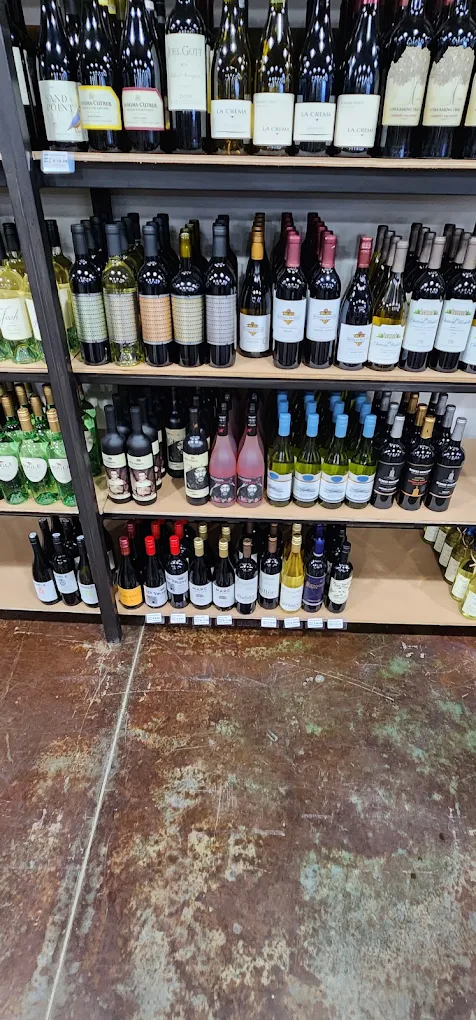
Lighter-bodied reds (think Pinot Noir) work well with poultry, salmon, and lighter pasta dishes. Medium-bodied reds (Merlot and similar blends) are a safe bet with roasted pork, burgers, and tomato-based sauces. Bolder, full-bodied reds (Cabernet Sauvignon and similar) stand up to steak, grilled meats, and anything with a heavier sauce.
A Simple Cheat Sheet for Whites & Rosé
Crisp, lighter whites (Sauvignon Blanc and similar) are a natural match for salads, seafood, and lighter appetizers. Fuller-bodied whites (Chardonnay and similar) pair nicely with creamy sauces, roasted chicken, and richer seafood. Rosé is the flexible option in between - it works with lighter fare across the board, from grilled vegetables to a charcuterie spread.
Don't Forget Sparkling Wine
Sparkling wine gets pulled out for toasts and then forgotten the rest of the year, which is a shame - it's one of the most food-friendly styles there is. The bubbles and acidity cut through salty and fried foods almost better than anything else, which is exactly why it shows up at brunch alongside eggs and pastries. Don't save it only for celebrations; a dry sparkling wine is a genuinely great everyday pairing for appetizers, popcorn, or a casual weeknight dinner.
A Few Pairing Myths You Can Ignore
"Red with meat, white with fish" is a useful starting point, not a law - a chilled light red can be great with salmon, and a full-bodied white can hold its own with white meat. Contrast pairings can work just as well as matching ones; a slightly sweet white with a spicy dish, for example, is a classic combination precisely because the flavors don't match. The most reliable rule of all is simple: the best pairing is the one you actually enjoy drinking.
Serving Temperature Matters More Than People Think
Temperature changes how a wine tastes as much as the pairing does. Reds are often served too warm - a genuine "room temperature" from decades ago was closer to 60-65°F, cooler than most houses run today, and a red that's too warm can taste flat and overly alcoholic. Whites, rosé, and sparkling wine should be served well chilled; a white that's too warm loses its crispness and can taste dull. If you only remember one thing, it's this: when in doubt, chill it a little more than you think you should.
When in Doubt, Ask
These are starting points, not strict rules - the best pairing is usually the one you actually enjoy. If you're planning a specific meal or just want a recommendation, our team at the store is happy to help you find the right bottle.
Visit Us to Find Your Next Bottle
Stop by our Trenton, GA store and browse the shelves in person, or ask our team for a pairing suggestion - we're always happy to help.